MULTIMETERS · COMPARISONS
Multimeter Comparisons
Most multimeter decisions come down to a safety-rating or feature trade-off — CAT II versus CAT III, True RMS versus a cheaper average-responding meter, a clamp function versus a standard probe setup. Each comparison here names that trade-off directly instead of burying it under a spec table.
109 comparisons


Fluke 115 vs Fluke 117
Field-service generalist vs. electrician-specific meter
See the comparison →
Fluke 117 vs Fluke 87V
Which Fluke tier actually fits your work
See the comparison →Fluke 115 vs Fluke 87V
CAT III 600V field meter vs CAT IV industrial
See the comparison →
Fluke 87V vs Fluke 289
Logging, LoZ and 50,000 counts vs field troubleshooting
See the comparison →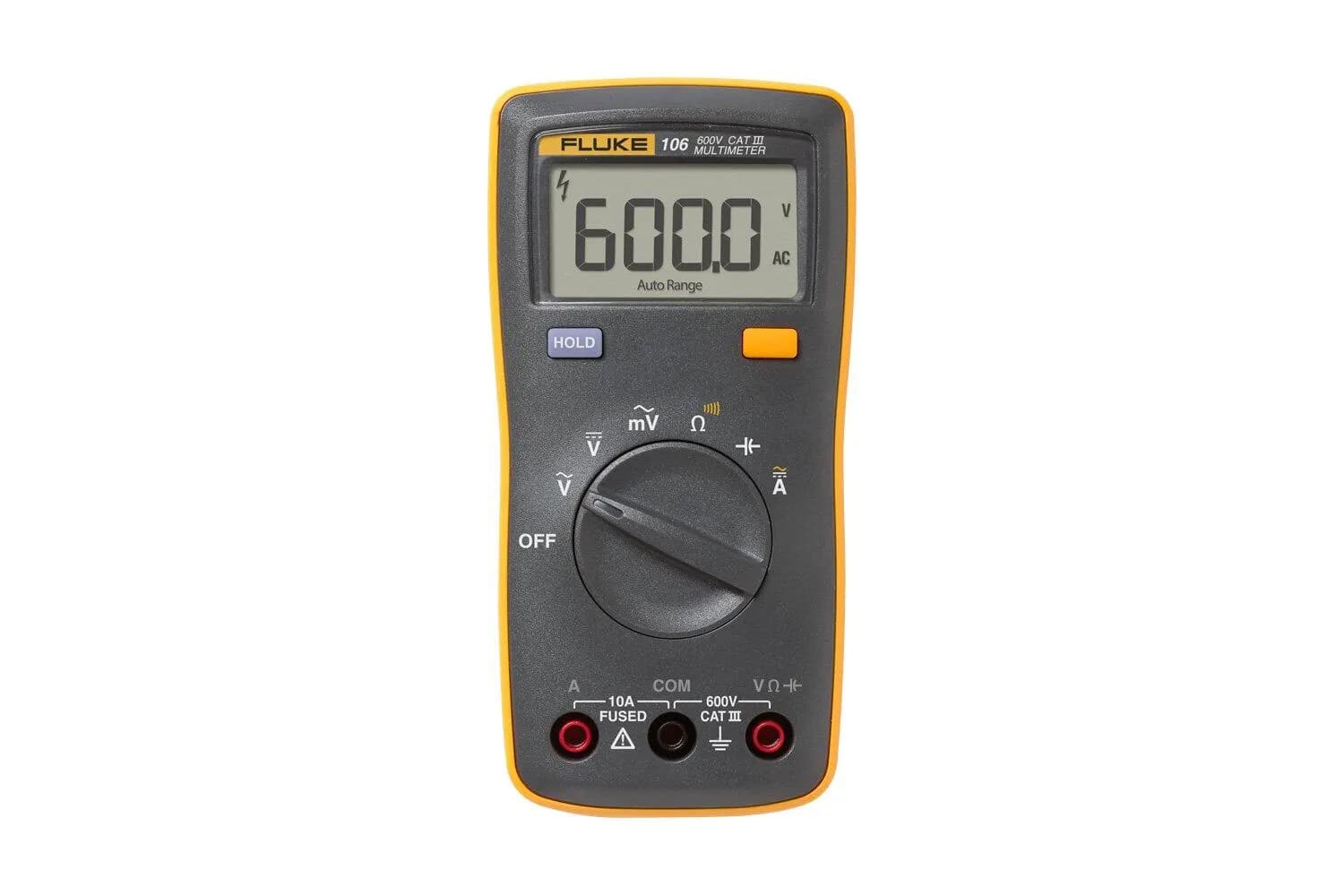

Fluke 106 vs Fluke 114
Pocket meter with amps vs True RMS AutoVolt LoZ tester
See the comparison →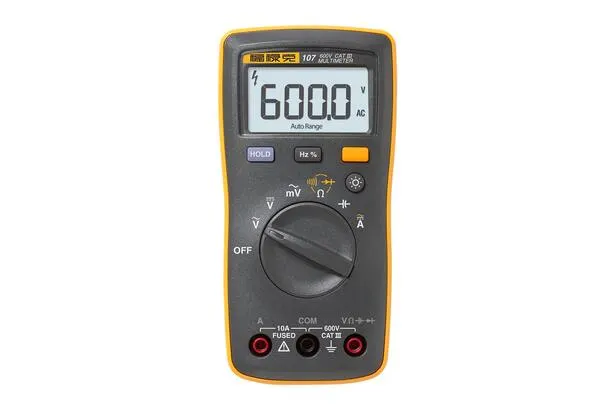

Fluke 107 vs Fluke 113
Everyday tests: pocket all-rounder vs VCHEK utility meter
See the comparison →

Fluke 116 vs Fluke 179 for HVAC
Flame-sensor µA and LoZ vs amps to 10 A, CAT IV, lifetime
See the comparison →
Fluke 114 vs Fluke 175
LoZ voltage checker vs full True RMS meter with amps
See the comparison →Fluke 113 vs Fluke 179
VCHEK utility meter vs the full-feature True RMS 179
See the comparison →
Fluke 77 IV vs Fluke 115
Field repairs: milliamp range and 1000 V vs True RMS
See the comparison →
Fluke 27 II vs Fluke 179
Sealed IP67 meter with µA vs True RMS with temperature
See the comparison →
Fluke 1587 FC vs Fluke 289
Power-off insulation testing vs power-on data logging
See the comparison →
Fluke 1587 FC vs Fluke 287
Insulation proof vs logging live faults
See the comparison →Fluke 283 FC vs Fluke 1587 FC
1500 V solar maintenance vs insulation testing
See the comparison →
Fluke 789 vs Fluke 1587 FC
Loop calibrator or insulation tester, and who needs neither
See the comparison →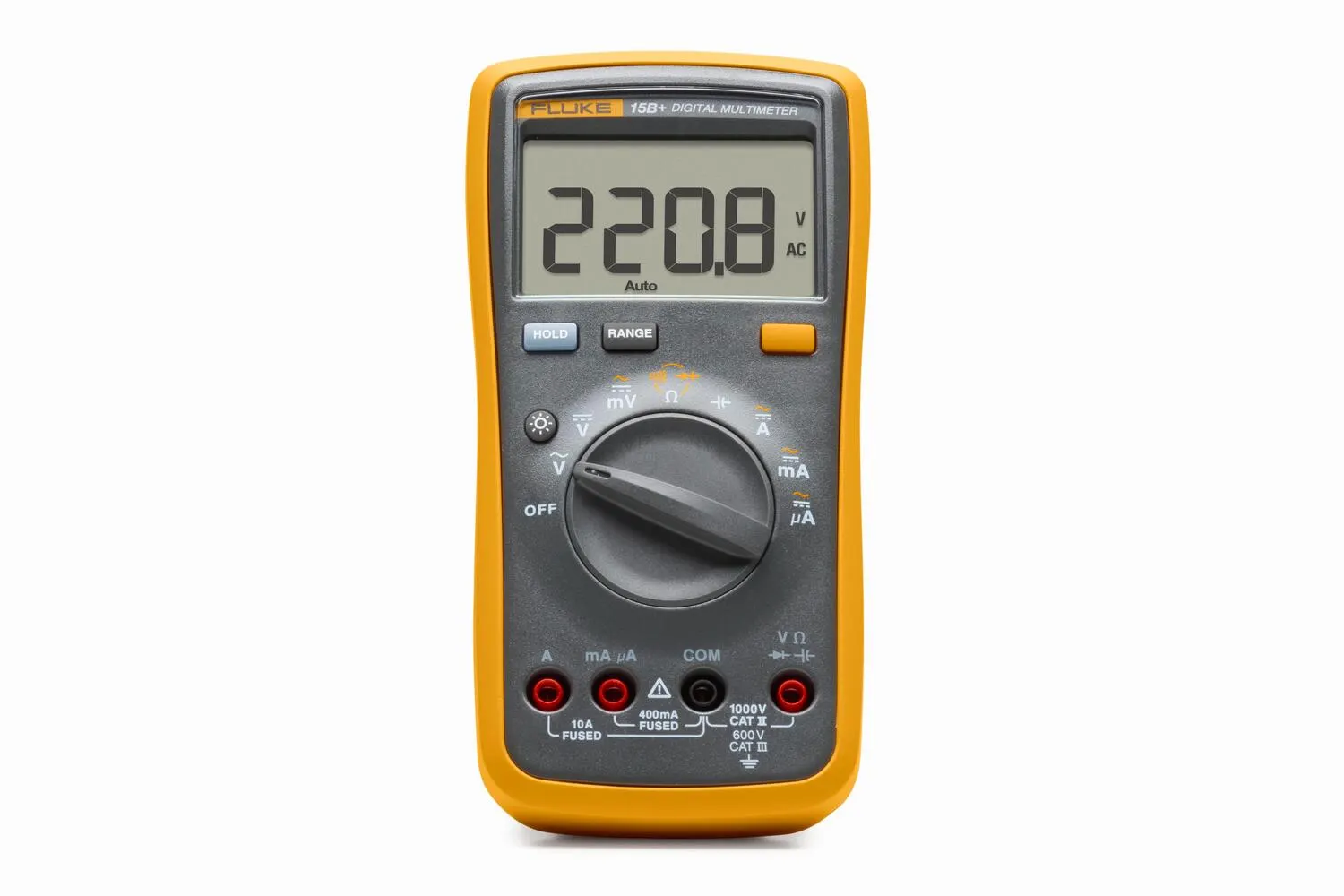
Fluke 15B+ vs Fluke 115
Entry-level Fluke vs a True RMS field meter
See the comparison →Fluke 77 IV vs Fluke 87V
Average-responding vs True RMS for industrial work
See the comparison →Fluke 1587 FC vs Fluke 87V MAX
Insulation testing vs IP67 ruggedness: the task or the site
See the comparison →
Fluke 1577 vs Fluke 87V
When you need megohm testing, and when a DMM is enough
See the comparison →Fluke 113 vs Fluke 117
VCHEK utility meter vs the electrician's 117 with amps
See the comparison →Fluke 114 vs Fluke 116
Electrician's LoZ meter vs HVAC µA and temperature
See the comparison →Fluke 175 vs Fluke 179
Is the 179's temperature, backlight and 0.09% DC worth it?
See the comparison →Fluke 287 vs Fluke 179
Electronics bench work: µA, counts, logging vs Min/Max
See the comparison →Fluke 287 vs Fluke 117
Advanced logging bench meter vs. an electrician's meter
See the comparison →Fluke 289 vs Fluke 179
Logging, drive filter and µA vs a lighter everyday meter
See the comparison →Fluke 289 vs Fluke 115
Logging and µA vs a solid True RMS field meter
See the comparison →
Fluke 88V vs Fluke 179
Which Fluke is better for vehicle diagnostics and car work?
See the comparison →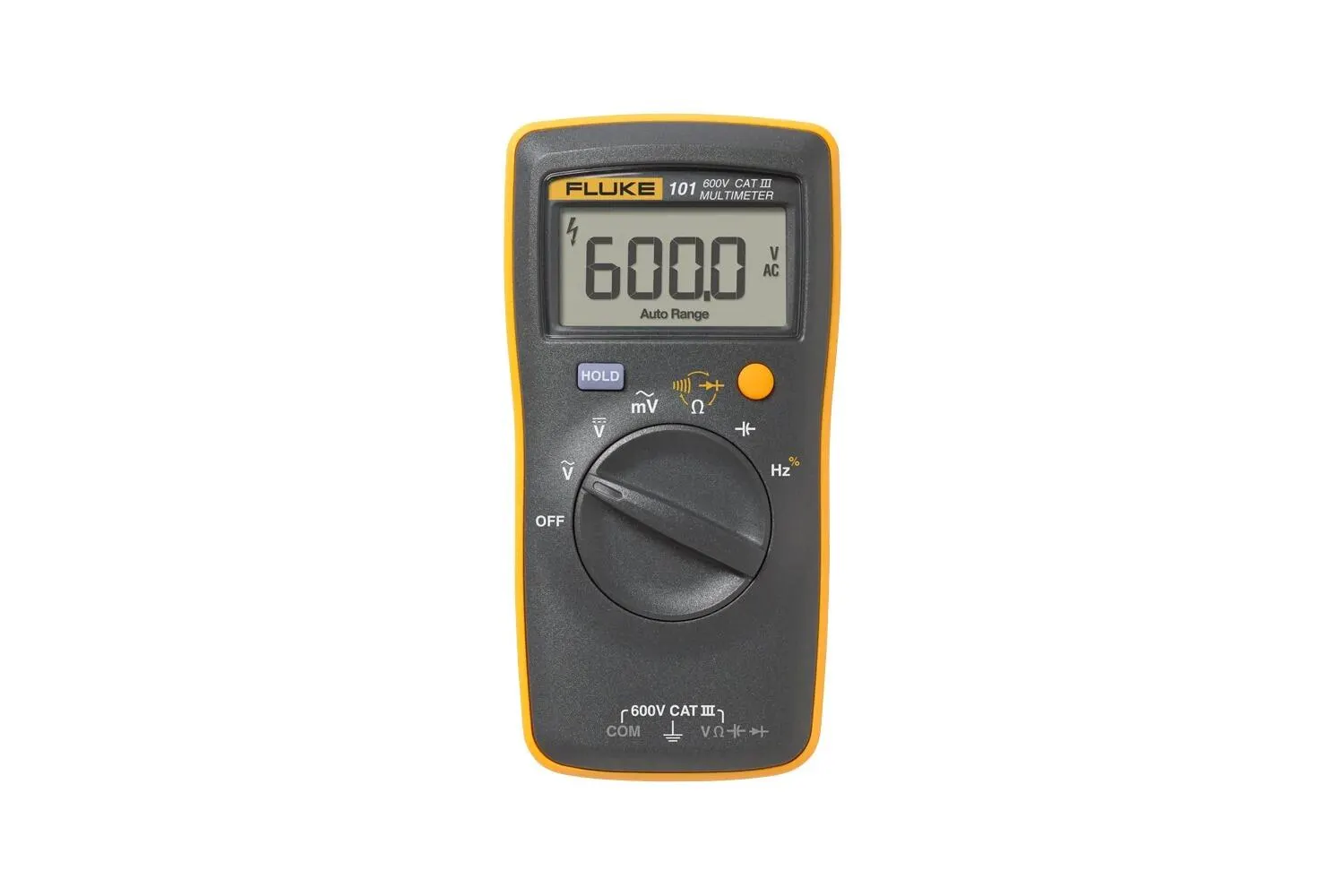
Fluke 115 vs Fluke 101
10A True RMS meter vs 160 g pocket Fluke, no amps
See the comparison →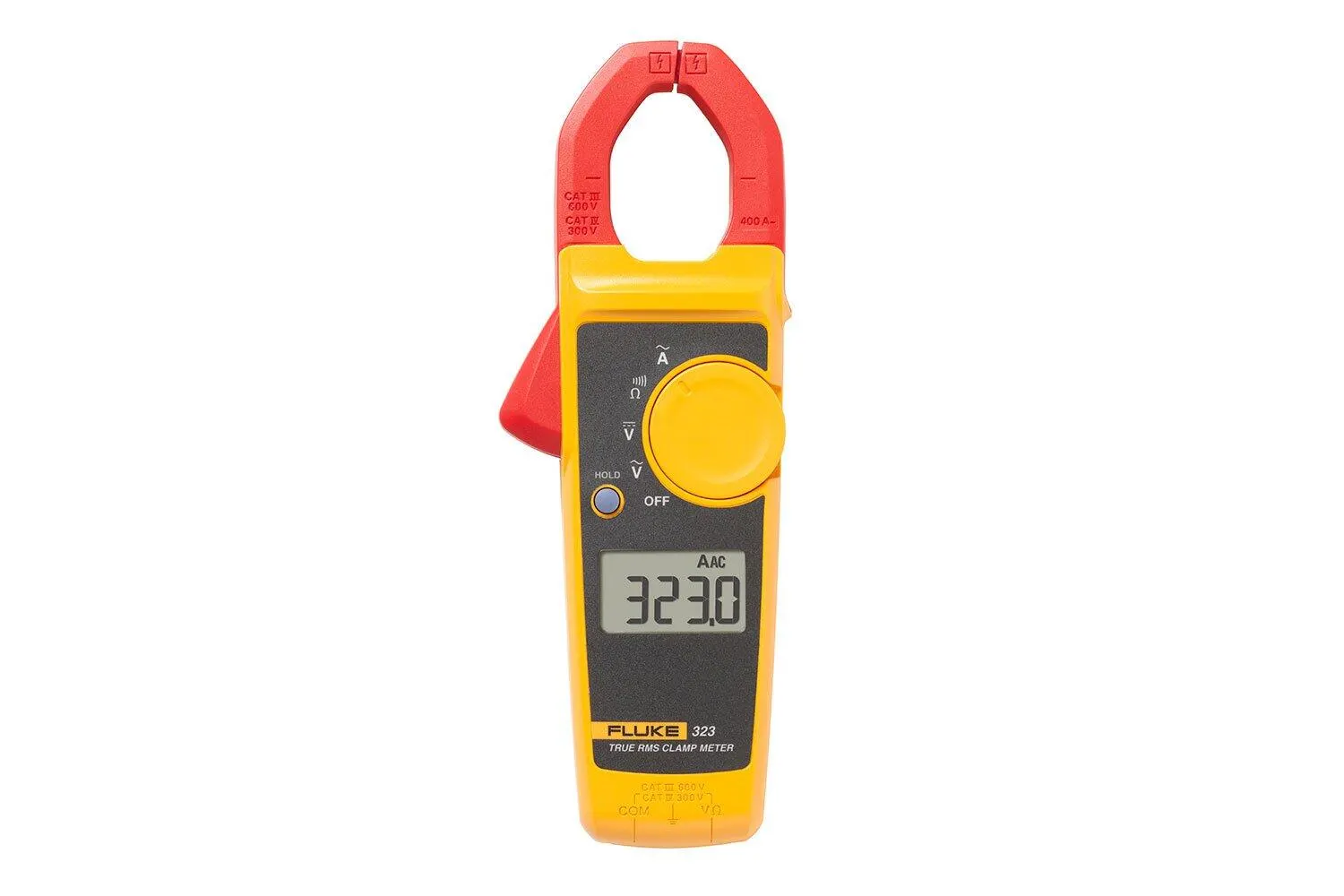
Fluke 117 vs Fluke 323
General multimeter vs. dedicated clamp meter
See the comparison →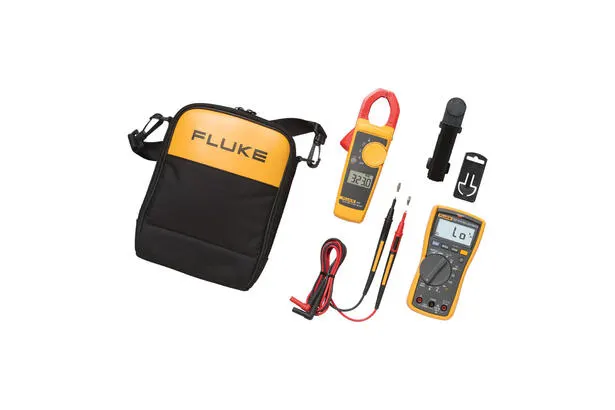
Fluke 117 vs Fluke 117/323 Kit
The same meter, with or without a bundled clamp meter
See the comparison →Fluke 15B+ vs Fluke 117/323 Kit
Budget basics vs. a True RMS multimeter-and-clamp bundle
See the comparison →Fluke 117 vs Fluke 179
Everyday electrician meter vs. the full-featured 170 series
See the comparison →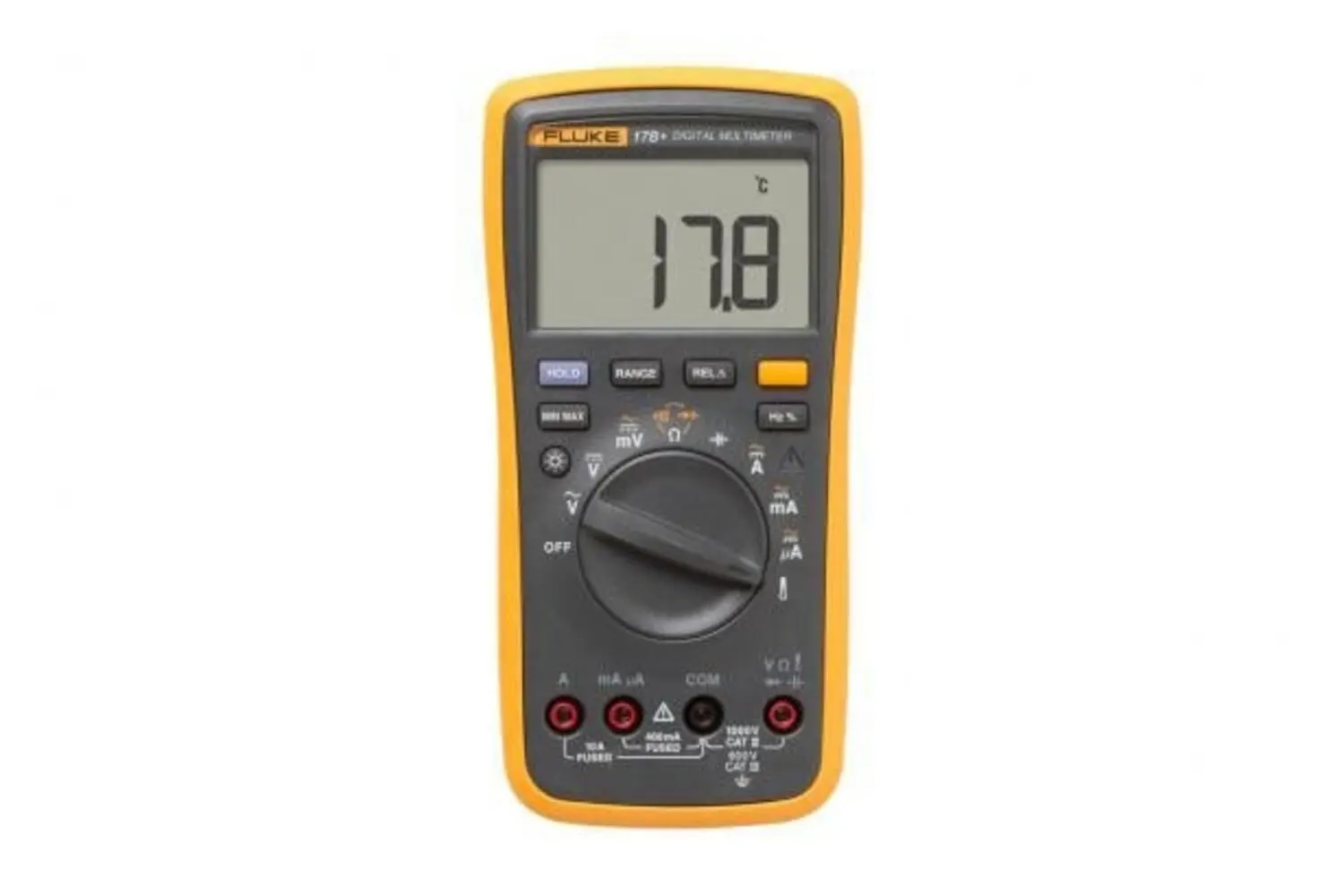
Fluke 17B+ vs Fluke 179
Feature-rich entry meter vs. True RMS and CAT IV
See the comparison →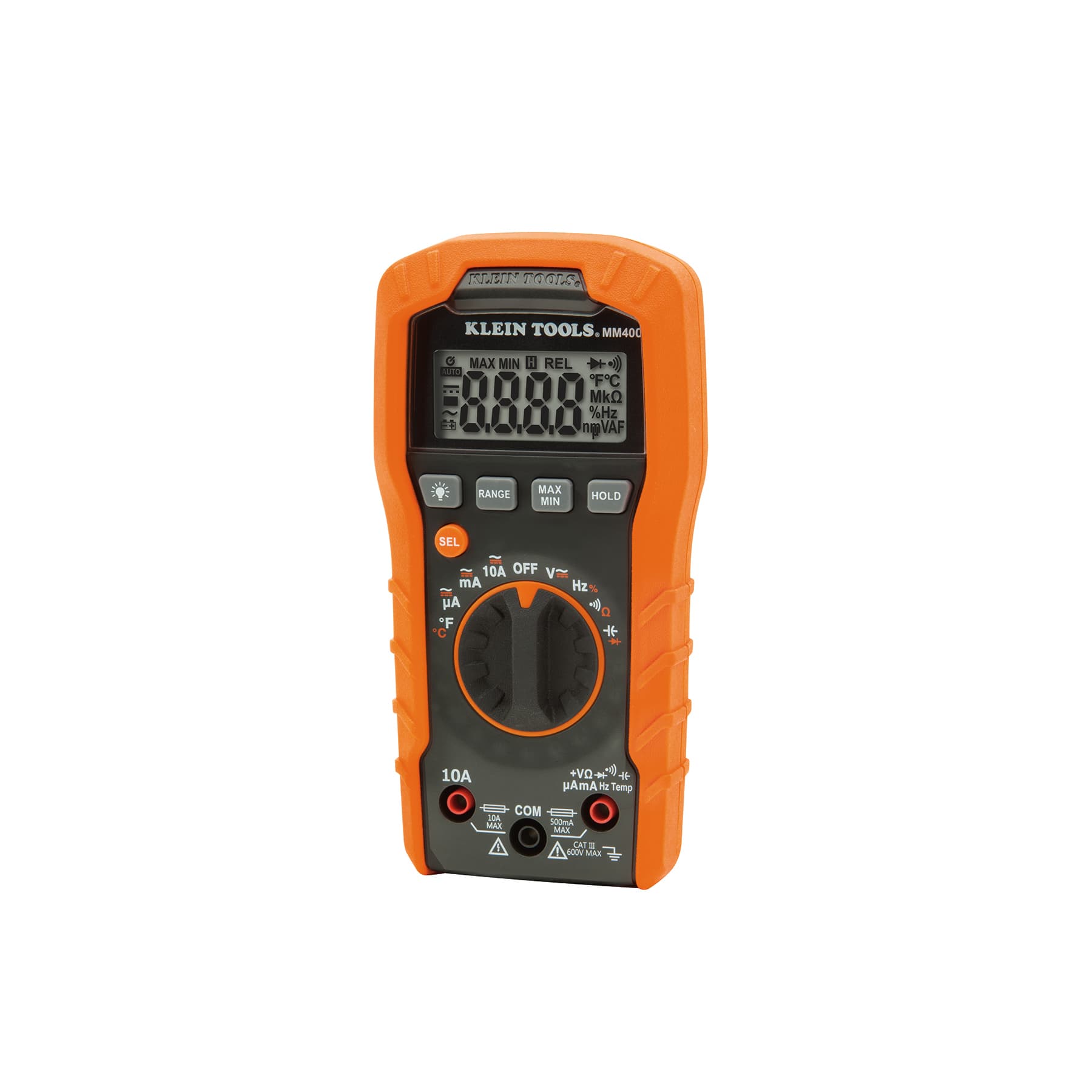
Fluke 117 vs Klein Tools MM400
Same CAT III rating, different extras and price
See the comparison →
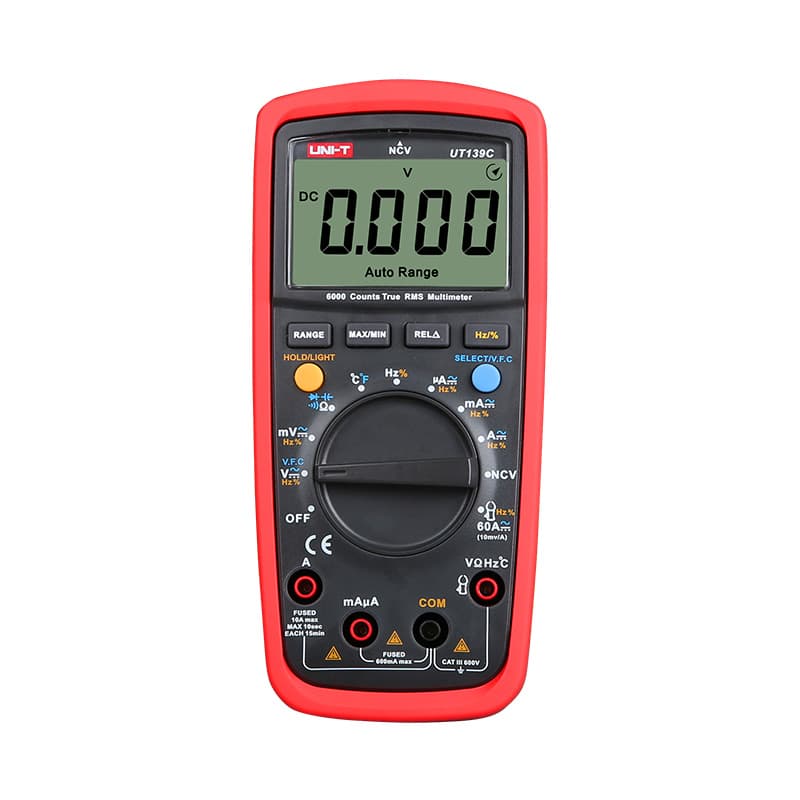
KAIWEETS KM200s vs UNI-T UT139C
Budget True RMS head-to-head
See the comparison →Fluke 117 vs Milwaukee 2235-20
Do you need a clamp meter too?
See the comparison →
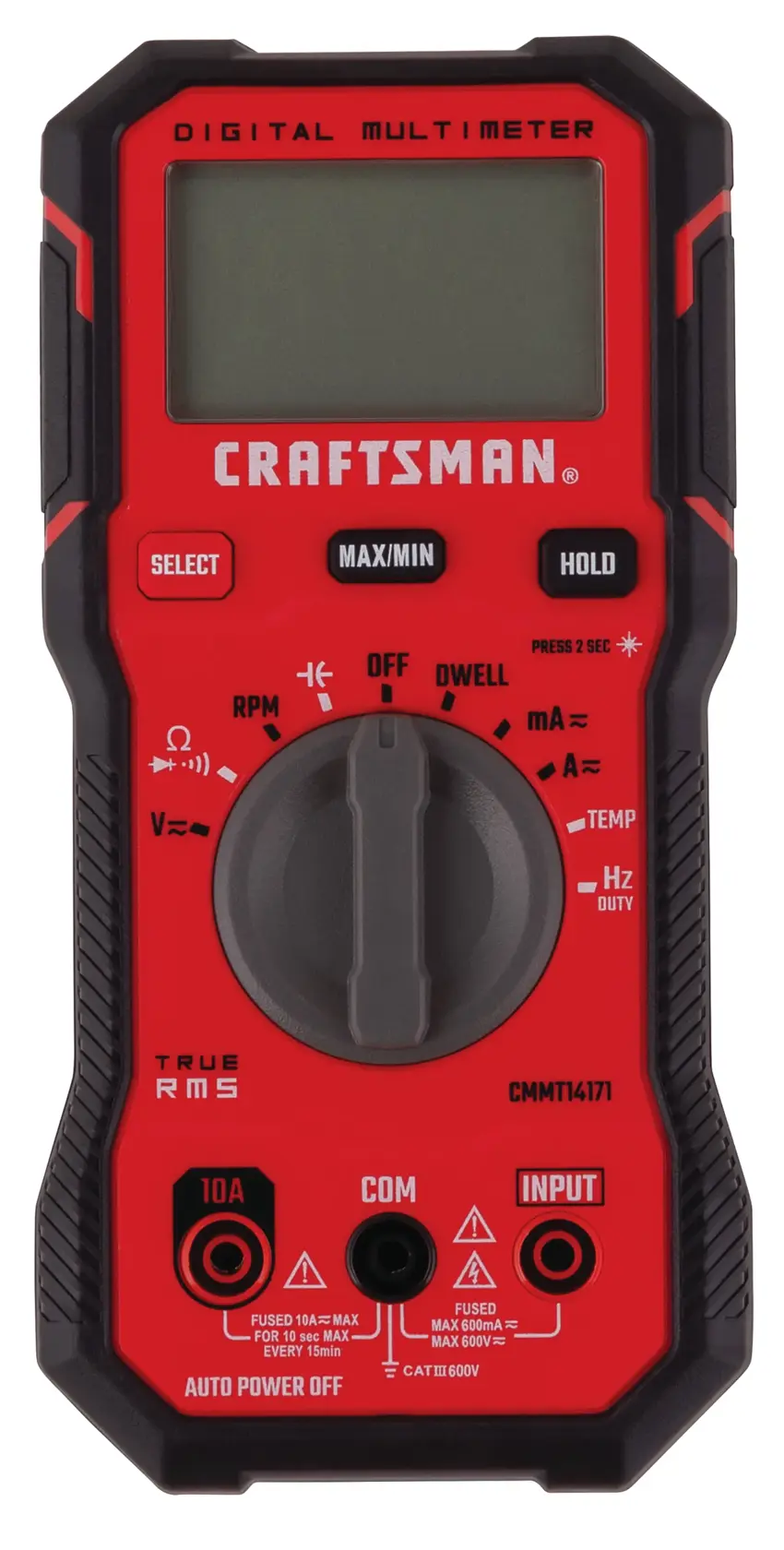
Southwire 14070T vs Craftsman CMMT14171
Job-site toughness vs. automotive functions
See the comparison →Extech EX330 vs UNI-T UT139C
Pocket size vs. True RMS on a budget
See the comparison →Fluke 115 vs Klein Tools MM400
True RMS and 6,000 counts vs temperature and µA
See the comparison →
Fluke 115 vs Klein Tools MM720
CAT IV, LoZ and µA on the Klein vs Fluke DC accuracy
See the comparison →
Fluke 101 vs Klein Tools MM325
Tighter 240 V readings vs a current range
See the comparison →
Fluke 117 vs KAIWEETS HT118A
LoZ and consistent ratings vs more functions for less
See the comparison →Fluke 101 vs KAIWEETS KM200s
CAT III 600V vs True RMS, NCV and a backlight
See the comparison →
Fluke 115 vs KAIWEETS HT118E
Documented True RMS vs microamps and 20,000 counts
See the comparison →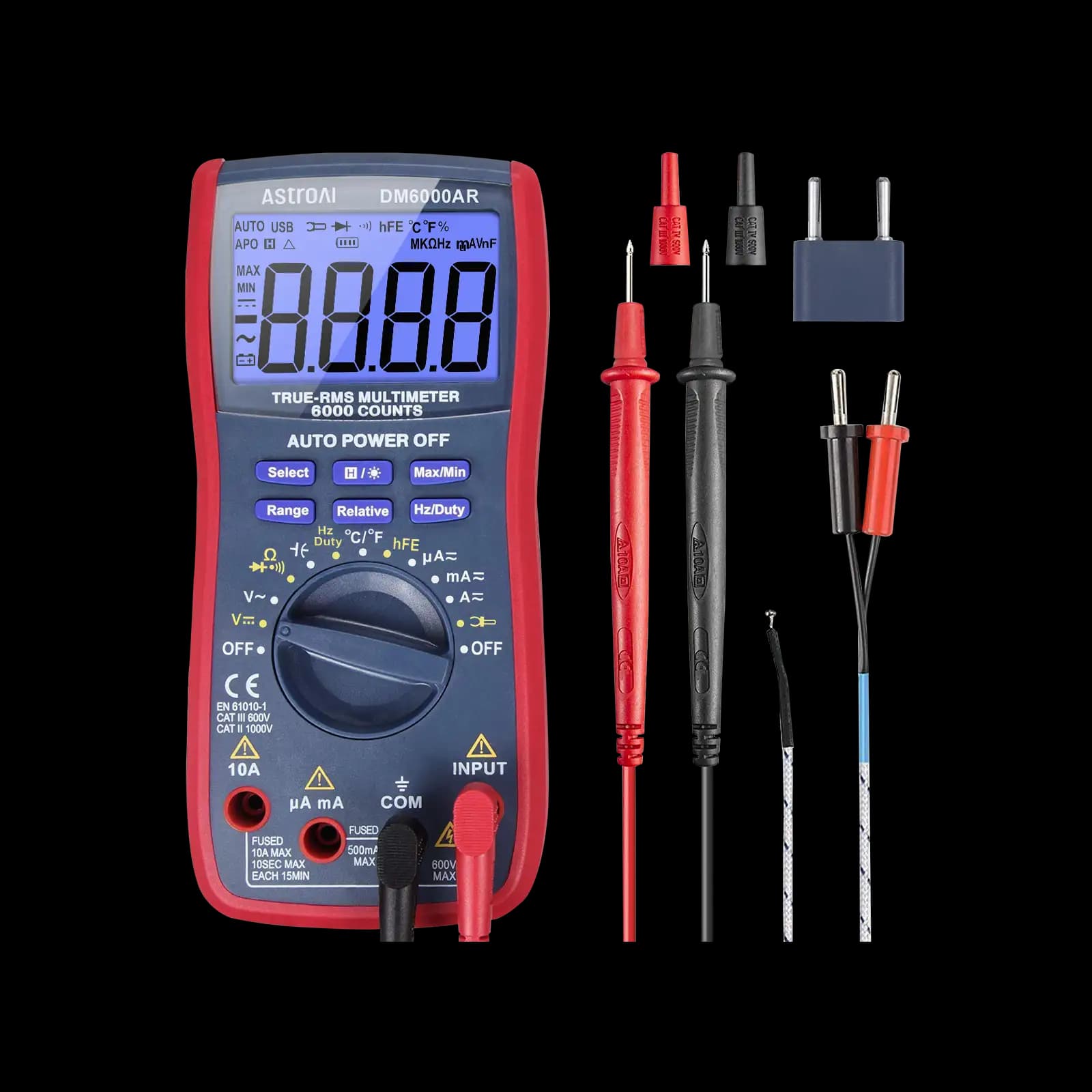
Fluke 117 vs AstroAI DM6000AR
Electrician's LoZ meter vs a budget bench meter
See the comparison →Fluke 101 vs AstroAI DM6000AR
CAT III pocket meter vs current and temperature
See the comparison →Fluke 115 vs Extech EX330
True RMS and warranty vs µA, NCV and temperature
See the comparison →Fluke 115 vs UNI-T UT139C
What the Fluke premium buys over a cheaper True RMS meter
See the comparison →Fluke 117 vs UNI-T UT139C
LoZ for ghost voltage vs a cheaper NCV meter
See the comparison →
Fluke 117 vs Klein Tools MM700
Ghost-voltage LoZ on both; 6,000 vs 4,000 counts at 480 V
See the comparison →
Fluke 117 vs Extech EX355
Field electrician meter vs µA, temperature and a low-pass filter
See the comparison →
Fluke 87V vs Extech EX505A
Drive-ready industrial meter vs an IP67 6,000-count alternative
See the comparison →
Fluke 179 vs Extech EX430A
CAT IV and 10,000 µF vs 0.1 µA steps at a lower cost
See the comparison →
Fluke 87V vs Hioki DT4256
Two CAT IV industrial meters: filters, 4–20 mA and AUTO V
See the comparison →Fluke 87V vs Fluke 179
Industrial accuracy vs all-round value
See the comparison →Fluke 117 vs Fluke 107
True RMS electrician meter vs pocket Fluke
See the comparison →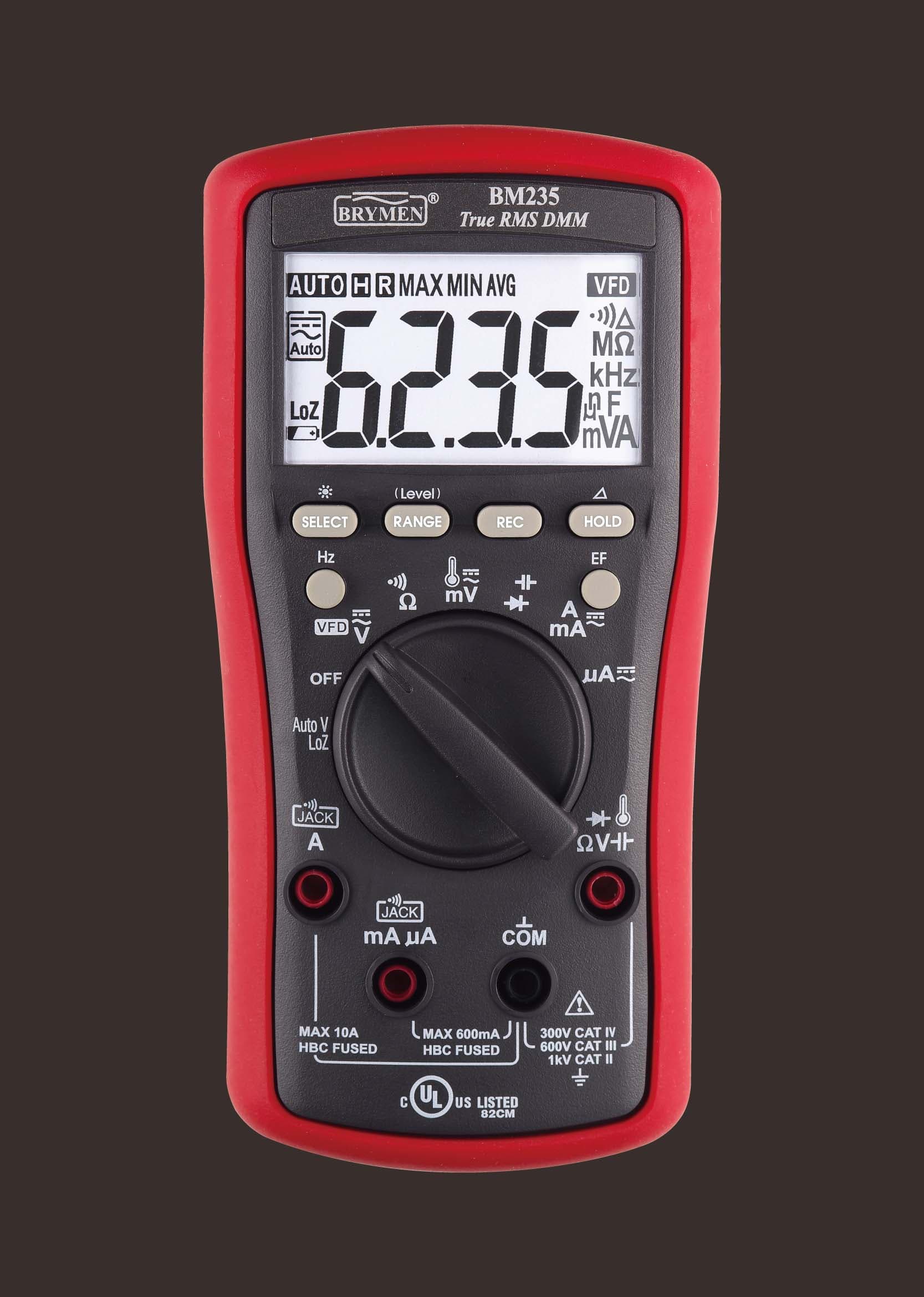
Brymen BM235 vs Fluke 117
VFD mode and temperature vs Fluke trust
See the comparison →Fluke 17B+ vs Fluke 117
Electronics functions vs electrician safety
See the comparison →Fluke 17B+ vs Fluke 115
Breadth of functions vs True RMS and warranty
See the comparison →Fluke 17B+ vs Fluke 87V
Entry Fluke vs CAT IV industrial precision
See the comparison →Fluke 117 vs Fluke 15B+
Specialist True RMS vs basic µA-to-10A
See the comparison →Fluke 17B+ vs Fluke 15B+
Same body; 17B+ adds temp, Hz, MIN MAX
See the comparison →Fluke 17B+ vs Fluke 106
Full-size µA–10A vs 200 g pocket meter
See the comparison →Fluke 17B+ vs Fluke 107
Both read Hz; 17B+ adds temp and MIN MAX
See the comparison →Fluke 17B+ vs Fluke 101
Current and temperature vs no-amps tester
See the comparison →Fluke 117 vs Fluke 106
True RMS, NCV and LoZ vs budget pocket
See the comparison →Fluke 117 vs Fluke 101
Current and True RMS vs 160 g tester
See the comparison →Fluke 15B+ vs Fluke 106
µA and mA ranges vs 6,000-count pocket
See the comparison →Fluke 15B+ vs Fluke 107
Small-current ranges vs frequency, duty
See the comparison →Fluke 15B+ vs Fluke 101
Measures amps vs reads Hz; neither both
See the comparison →Fluke 106 vs Fluke 107
Same body; 107 adds diode test and frequency
See the comparison →Fluke 106 vs Fluke 101
Current to 10A vs no current but frequency
See the comparison →Fluke 107 vs Fluke 101
107 adds current and backlight; 101 lighter
See the comparison →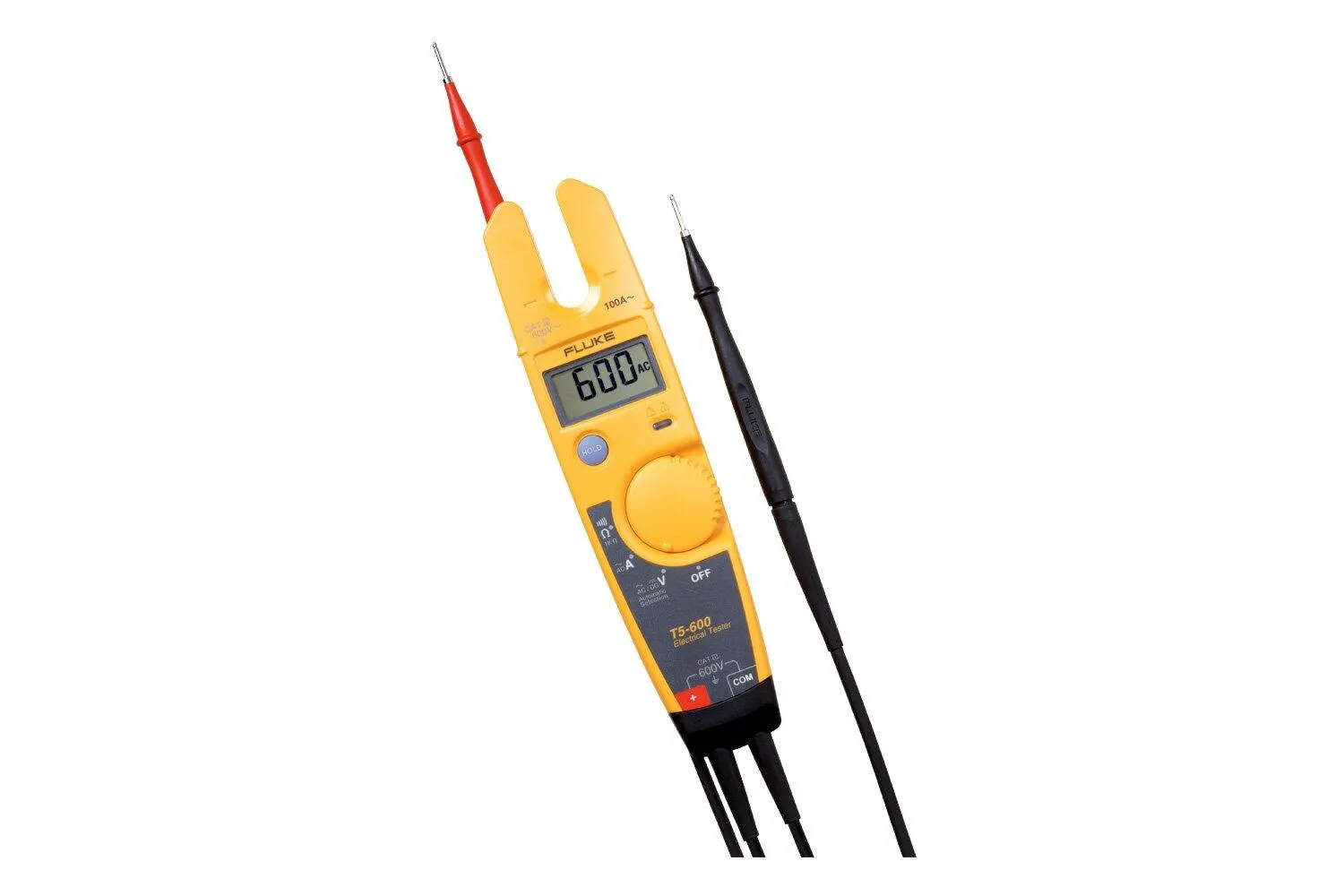
Fluke 17B+ vs Fluke T5-600
Electronics multimeter vs 100A panel tester
See the comparison →Fluke 117 vs Fluke T5-600
True RMS and LoZ vs 100A open-jaw tester
See the comparison →Fluke 15B+ vs Fluke T5-600
Microamps to 10A vs AC current to 100A
See the comparison →Fluke 106 vs Fluke T5-600
Current through leads vs through open jaw
See the comparison →Fluke 107 vs Fluke T5-600
Diode, frequency, capacitance vs 100A jaw
See the comparison →Fluke 101 vs Fluke T5-600
No current at all vs AC current to 100A
See the comparison →Fluke 116 vs Fluke 117
HVAC microamps and temperature vs. electrician NCV
See the comparison →Fluke 116 vs Fluke 115
Flame-sensor µA and temperature for HVAC work
See the comparison →Fluke 107 vs Fluke 115
Which compact Fluke a beginner should learn on
See the comparison →Fluke 88V vs Fluke 87V
Automotive functions vs. True RMS and a low-pass filter
See the comparison →Fluke 88V vs Fluke 117
Car and hybrid diagnostics vs. an electrician's meter
See the comparison →Fluke 289 vs Fluke 287
Logging meters compared, plus the electronics-repair angle
See the comparison →Fluke 113 vs Fluke 115
VCHEK utility meter vs. a general-purpose meter with amps
See the comparison →Fluke 114 vs Fluke 115
AutoVolt LoZ vs. current, capacitance and frequency
See the comparison →Fluke 114 vs Fluke 117
Which meter suits residential electricians
See the comparison →
Fluke 175 vs Fluke 177
Backlight and tighter DC accuracy on the same chassis
See the comparison →Fluke 177 vs Fluke 179
Accuracy and temperature compared range by range
See the comparison →Fluke 177 vs Fluke 117
Daily electrical work: CAT IV accuracy vs. VoltAlert
See the comparison →
Fluke 87V vs Fluke 87V MAX
Same core measurements, tougher IP67 body
See the comparison →
Fluke 28 II vs Fluke 87V
Harsh-environment industrial meter vs. the standard 87V
See the comparison →Fluke 1587 FC vs Fluke 87V
Insulation tester-multimeter vs. a precision DMM
See the comparison →Fluke 27 II vs Fluke 28 II
Same rugged IP67 body, average vs True RMS AC
See the comparison →Fluke 27 II vs Fluke 87V MAX
Rugged average-responding meter vs True RMS for drives
See the comparison →Fluke 28 II vs Fluke 87V MAX
Two IP67 meters compared hazard by hazard
See the comparison →Fluke 1577 vs Fluke 1587 FC
Which insulation multimeter: test voltages, PI and range
See the comparison →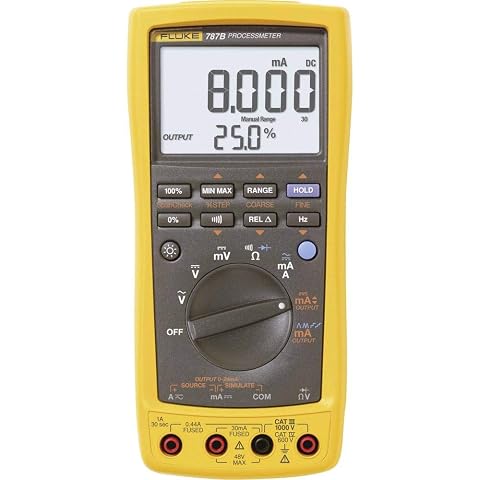
Fluke 787B vs Fluke 789
ProcessMeters: loop power and the HART resistor
See the comparison →Fluke 789 vs Fluke 87V
4-20 mA ProcessMeter vs industrial multimeter
See the comparison →Fluke 77 IV vs Fluke 117
Average-responding CAT IV vs True RMS for electricians
See the comparison →Fluke 77 IV vs Fluke 179
Electrical maintenance on drives, motors and controls
See the comparison →
Fluke 3000 FC vs Fluke 117
Wireless monitoring vs everyday electrician testing
See the comparison →Fluke 3000 FC vs Fluke 289
Remote display vs on-meter data logging
See the comparison →Fluke 3000 FC vs Fluke 87V
Wireless field meter vs precision industrial meter
See the comparison →Fluke 283 FC vs Fluke 87V
1500 V solar PV testing vs a 1000 V industrial meter
See the comparison →Fluke 283 FC vs Fluke 289
Wireless PV testing or stand-alone data logging
See the comparison →Fluke 287 vs Fluke 87V
Catching intermittent faults: event logs vs peak capture
See the comparison →Fluke 175 vs Fluke 115
Everyday troubleshooting: mA ranges and CAT IV vs backlight
See the comparison →