HOW-TO GUIDE
Why Does My Car Keep Blowing Fuses?
By the OhmSavvy Research Team ·
Never upsize a fuse to make it stop blowing
- Always replace with the exact amperage rating specified for that circuit, never a higher one.
- Disconnect the battery or pull the fuse before testing resistance on a dead circuit.
- Don't keep testing with repeated fuses once you've confirmed the circuit is actually shorted — move to the resistance test instead.
1Confirm the fuse rating is correct
Check the number printed on the blown fuse against the rating shown in the owner's manual or on the fuse box cover for that specific slot. A previous repair using the wrong rating is an easy thing to overlook and a common, simple explanation before assuming a wiring fault.
2Test the circuit with it dead
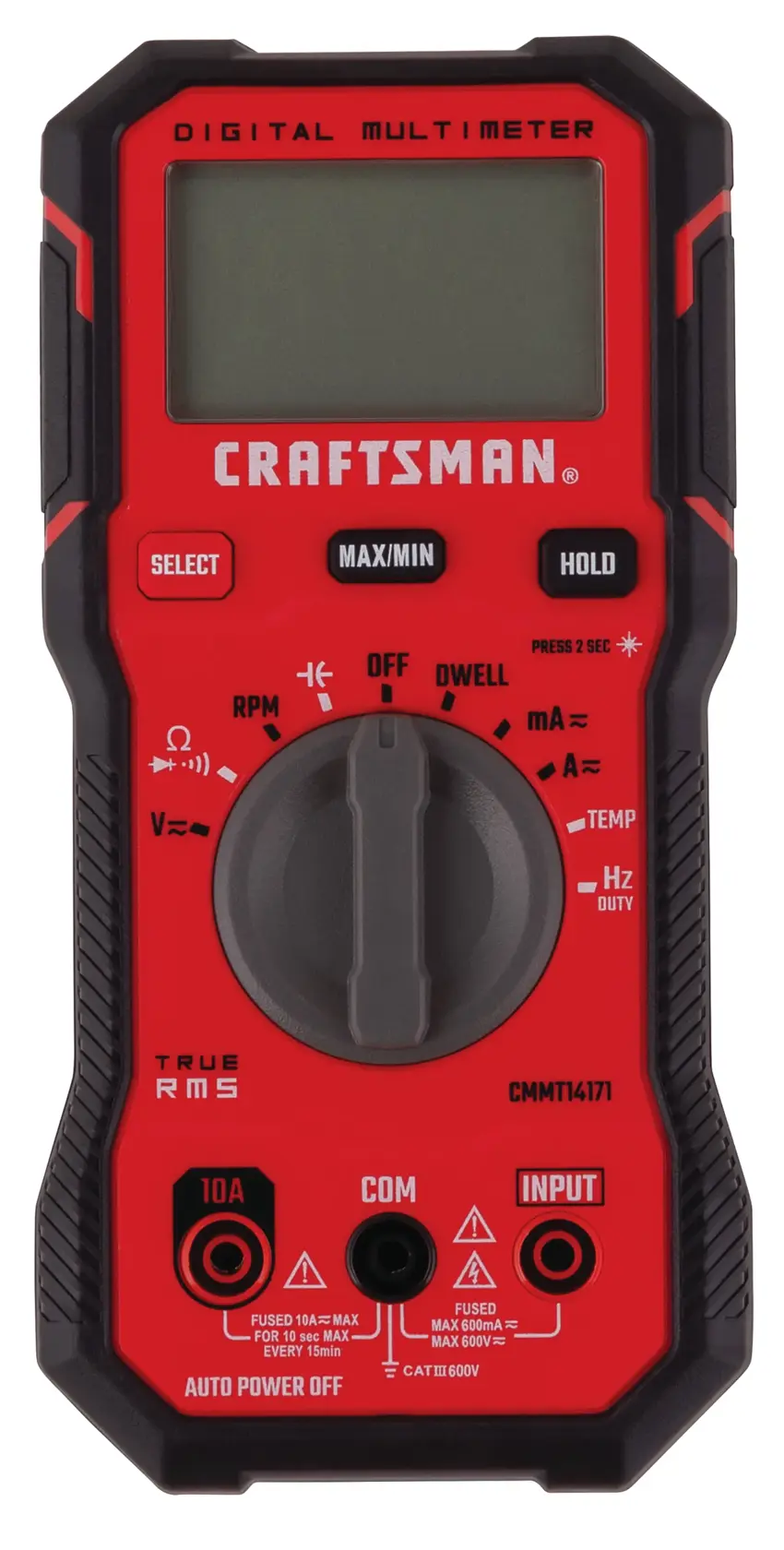
With the fuse out, set the meter to resistance or continuity and measure from the load side of the fuse socket to a chassis ground point. A healthy circuit reads open (OL); a low reading confirms a short. The full procedure, including narrowing it down by unplugging connectors, is covered in how to find a short circuit in a car.
A useful rule of thumb when reading that number: an incandescent bulb or small motor in the circuit usually measures somewhere from a fraction of an ohm to a few tens of ohms, so first unplug the load and then measure. With the load disconnected, anything other than OL from the fuse's load terminal to ground means copper is touching metal somewhere along the run.
3Isolate the load from the wiring
If the resistance test shows a short, unplug the component the circuit feeds and test again. If the short disappears once the component is unplugged, the fault is inside that component rather than the wiring between it and the fuse box.
| Where the short is found | Next step |
|---|---|
| In the wiring harness | Inspect for chafing at bends, grommets, and pinch points |
| Inside the component itself | Repair or replace the component |
| Only with the component plugged in and running | Suspect an internal short that only shows under load |
Common causes of repeat blown fuses
Aftermarket wiring run without proper grommets or loom, a harness pinched during a recent repair or panel removal, rodent damage to insulation, and a failing component that has developed an internal short are the usual suspects.
Check recent work first
Which meter to use
Any meter with continuity and resistance ranges handles this test. See the full best multimeter for automotive picks.
Meters in our reviews

As an Amazon Associate I earn from qualifying purchases. Prices and availability are shown on Amazon.
Frequently asked questions
Can using a higher-rated fuse 'fix' the problem?
No — a higher-rated fuse just lets more current flow before it opens, which can let a genuine short or overload keep drawing current and risk melting wiring or a component before the fuse ever reacts. Always use the exact rating specified for that circuit.
Why did the fuse blow only once, then never again?
A one-time surge — a momentary short during a repair, a jump-start done incorrectly, or a static/voltage spike — can blow a fuse without there being an ongoing fault. If the replacement fuse has held since, the circuit may simply have had a one-off event rather than a persistent short.
The fuse blows the instant I turn the key, before I do anything else — what does that mean?
That points to a short that's present with the circuit essentially unloaded, often a chafed wire touching ground somewhere along its length, rather than a fault that only shows up once a component actually starts drawing current. Go straight to a dead-circuit resistance test rather than trying to reproduce a specific action first.
Could an aftermarket accessory be the cause even though it's on its own fuse?
Yes, if it shares a fuse with factory circuits, or if its own wiring was tapped into a factory circuit incorrectly during installation. Check exactly what's wired to that fuse slot using the owner's manual's fuse box diagram, not just what you assume is on it.
Is it ever normal for a fuse to blow occasionally with no real fault?
It can happen with a genuinely borderline-rated circuit running right at the edge of its fuse's rating under peak load (a strong blower motor on its highest setting in extreme heat, for example), but this should be rare, not a repeating pattern. Repeated failures under normal conditions mean something has actually changed or failed.


