HOW-TO GUIDE
How to Solder Magnet Wire (Enamel-Coated Copper Wire)
By the OhmSavvy Research Team ·
Why magnet wire won't strip like normal wire
Ordinary insulated wire has a plastic jacket thick enough for a stripper's blades to grip and pull off. Magnet wire's enamel coating is a thin, baked-on varnish layer, often only a few thousandths of a millimeter thick — far too thin for a mechanical stripper to catch, and it bonds directly to the copper surface rather than sitting as a separate removable layer.
Solderable vs. non-solderable enamel
Not all magnet wire enamels behave the same way under heat, which is why there are two genuinely different approaches:
Headphone cables use the same enamel-coated strands; how to solder a broken headphone wire applies these methods to a cable repair.
| Enamel type | Behavior under a hot iron | Common use |
|---|---|---|
| Solderable (often polyurethane-based) | Burns/dissolves away directly under sufficient heat and flux | Fine-gauge wire: small transformers, inductors, speaker voice coils |
| Non-solderable (polyester-imide, polyimide, heavier builds) | Resists typical iron temperatures; doesn't clear with heat alone | Motor windings, heavier-duty or high-temperature-rated magnet wire |
1Method 1: Direct heat (solderable enamel)
Heat the iron to a high setting (around 370-400°C), apply a generous amount of fresh flux to the wire end, and hold the tip against it while feeding a little solder. On a solderable enamel, the coating visibly clears within a couple of seconds as the wire tins. If nothing happens within 3-4 seconds, stop and switch to mechanical stripping instead of prolonging heat exposure.
2Method 2: Mechanical stripping (any enamel type)
Working on a small section at a time, gently sand the wire end with fine abrasive paper, or carefully scrape it with a sharp blade held at a shallow angle, rotating the wire to clear the enamel evenly on all sides. This method works on both solderable and non-solderable enamels, making it the reliable fallback whenever direct heat doesn't clear the coating.
Confirming the coating is actually gone
Ventilate when burning off enamel
Quick reference
| Situation | Recommended method |
|---|---|
| Fine wire, unsure of enamel type | Try direct heat first on a spare end; fall back to mechanical if it doesn't clear quickly |
| Known heavier/non-solderable enamel | Mechanical stripping from the start |
| Very fine wire where sanding risks breaking it | Direct heat, kept brief, is gentler than aggressive scraping |
| After either method | Confirm with a continuity check before relying on the joint |
Clear the copper first, then solder normally
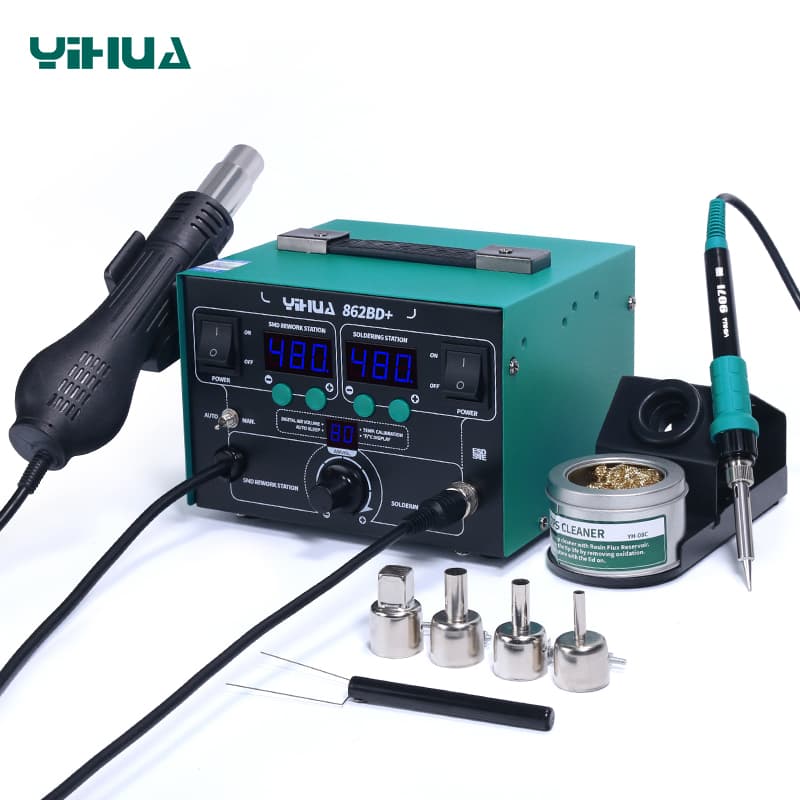
Irons with heat to spare for enamel
The direct-heat method needs an iron that holds 370–400°C at the tip while flux and enamel pull heat away. Any of these verified picks reaches that range with room left over.
Irons for stripping and tinning magnet wire

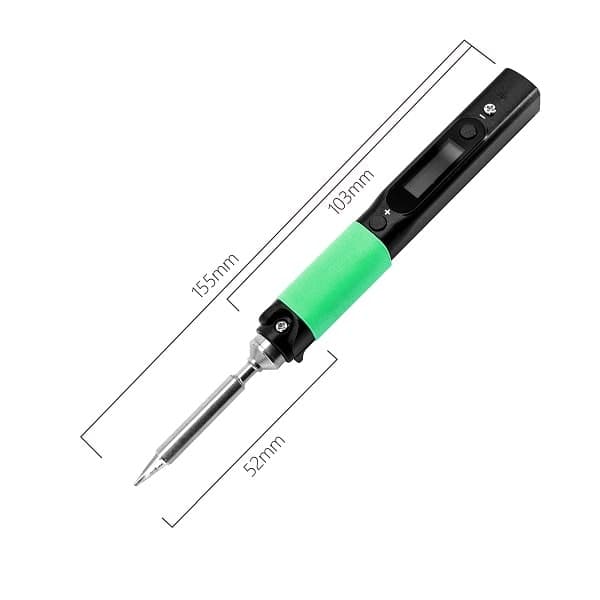
Adjustable to 480°C with ±1°C idle stability and five presets, handy for switching between tinning and assembly.
Heats in about 12 seconds on a 20V+ supply and runs from USB-C, convenient for coil work away from the bench.
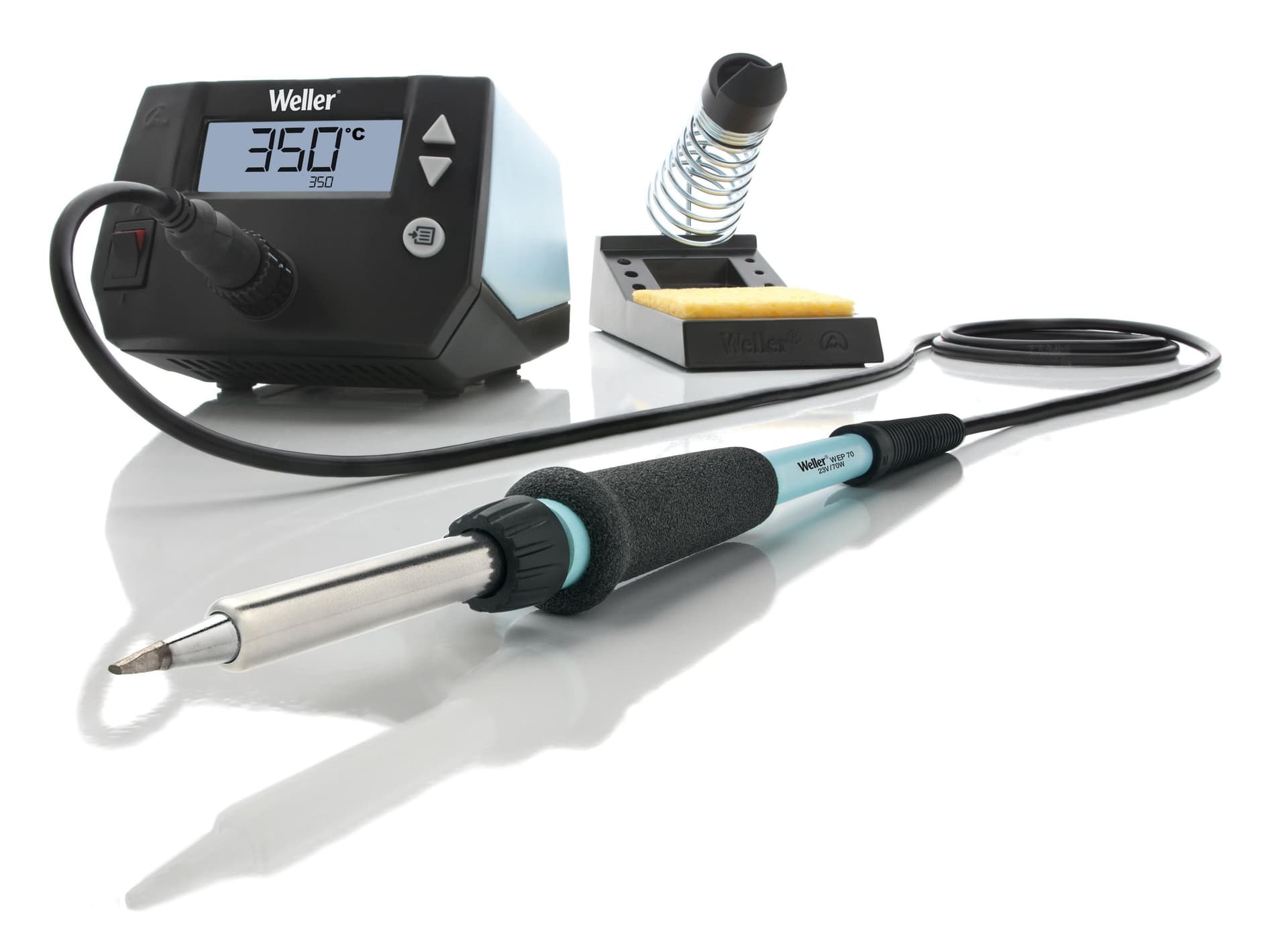
85W digital station (70W iron) with ESD-safe construction, suited to winding and inductor repairs on a dedicated bench.
As an Amazon Associate I earn from qualifying purchases. Prices and availability are shown on Amazon.
Frequently asked questions
Is "magnet wire" the same thing as enamel-coated copper wire?
Yes — they're the same material, just two common names for it. "Magnet wire" describes its typical use (windings for transformers, motors, inductors, and electromagnets); "enamel-coated copper wire" describes what it physically is. Either term refers to copper wire insulated with a thin, baked-on enamel coating instead of a plastic jacket.
How do I know if my magnet wire has a solderable enamel?
There's no universal visual tell, so the practical test is simply trying the direct-heat method on a spare end first: touch a hot, fluxed, well-tinned iron to the wire end and watch whether the coating visibly bubbles away and the wire takes solder within a couple of seconds. If it doesn't clear within about 3-4 seconds, treat it as non-solderable and strip mechanically instead, rather than holding the iron there indefinitely.
Can I use a lighter or match to burn off magnet wire enamel?
It's a technique some people use — a brief pass through a flame can carbonize the enamel so it wipes off, followed by sanding any carbon residue before tinning. It's less controllable than the iron or mechanical methods on this page, risks annealing (softening) very fine wire, and isn't necessary for solderable enamel types, so it's best kept as a fallback rather than a first choice.
Why won't solder stick even after I think I've removed the enamel?
A thin, nearly invisible residue of enamel or carbon can remain even when the wire looks shiny, and that residue blocks wetting the same way any contaminated surface does. Light sanding with fine abrasive paper, followed by fresh flux, usually clears it — confirm by checking for continuity end to end once you believe it's tinned.
How do I attach magnet wire to a PCB pad or a stranded lead?
Strip and tin the magnet wire end first, tin the pad or lead separately, then press them together and reflow briefly so you aren't fighting enamel and a joint at once. Fine magnet wire breaks easily right where the solder stops, so glue or tape the wire down nearby, or leave a small loop, to keep flexing away from the joint.