HOW-TO GUIDE
Why Does Solder Stick to the Soldering Iron Tip?
By the OhmSavvy Research Team ·
A different problem from solder not melting
It's worth separating this from a tip that won't melt solder at all, which is almost always a temperature or oxidation problem covered in our not-melting troubleshooting guide. Here, the solder clearly melts — it just won't leave the tip and flow onto the joint the way it should, which points at a different set of causes.
What dross actually is
Every time solder is heated, a small amount of its tin content oxidises. Do that repeatedly to the same bit of solder sitting on a tip — reheating old solder instead of feeding fresh solder for each joint — and the tin content keeps thinning out, leaving a duller, less fluid residue behind: dross. Dross doesn't wet a joint properly no matter how long it's heated, and it tends to sit on the tip as a stubborn blob rather than transferring.
How dross builds up over repeated reheats
Dross doesn't appear all at once — it's the end point of the same small blob of solder being reheated again and again without ever being wiped off or replaced.
01
Fresh solder
Shiny, fluid, wets readily
02
1 reheat
Slightly duller, still usable
03
Several reheats
Visibly gray, sluggish
04
Dross
Won't wet at all — wipe off
Don't keep reheating the same blob of solder
1Clean off dross and old solder first
Wipe the hot tip on a damp sponge or brass wool to remove the stuck solder and any dross along with it. This is the same routine covered in our tip care guide, and it's the first thing to try whenever solder is clinging to the tip rather than flowing properly.
2Feed less solder at a time
Excess solder sitting on the tip with nowhere to go is a simple, common cause on its own — feed a smaller amount per joint, letting the joint itself pull solder in by capillary action rather than loading the tip up first and trying to transfer a large blob all at once.
3Re-tin with fresh solder
After cleaning, melt a small amount of fresh solder directly onto the tip so it's evenly coated again before the next joint. A freshly tinned tip releases solder into a joint far more readily than one still carrying old, partially oxidised solder from several joints back.
4Confirm the joint itself is clean
If solder keeps sticking to the tip on one specific joint even with a freshly cleaned, freshly tinned tip, check the joint's own surface. An oxidised, painted, or greasy surface won't wet solder either, and solder with nowhere to wet onto tends to stay where you put it — on the tip.
Does a hotter iron make dross form faster?
Quick reference
| Symptom | Likely cause | Fix |
|---|---|---|
| Dull, gray residue won't release from tip | Dross from repeatedly reheated solder | Clean, wipe off, re-tin with fresh solder |
| Solder balls up rather than flowing to the joint | Too much solder fed at once | Feed less solder per joint; let the joint draw it in |
| Solder sticks on one specific joint only | That joint's surface is dirty or oxidised | Clean the joint itself, add flux if needed |
| Tip stays coated even right after cleaning | Tip genuinely worn, plating compromised | See the tip care guide's replacement signs |
Irons with idle sleep
Much of the dross and tip oxidation on a hobby bench happens while the iron sits idle at full temperature between joints. An iron that drops to a lower standby temperature on its own slows both down, and it's safer if you walk away with it on. These picks from our reviews list a sleep or standby feature in their maker or listing specs.
Irons that cool down when idle

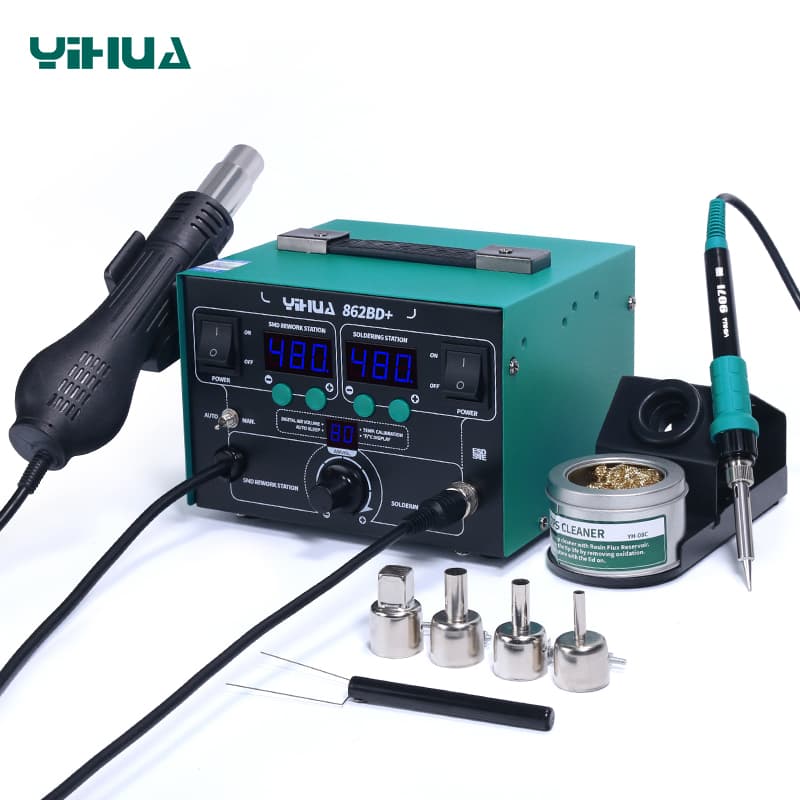
PID station, 90–480°C, with a selectable sleep after 5, 10 or 30 minutes idle.

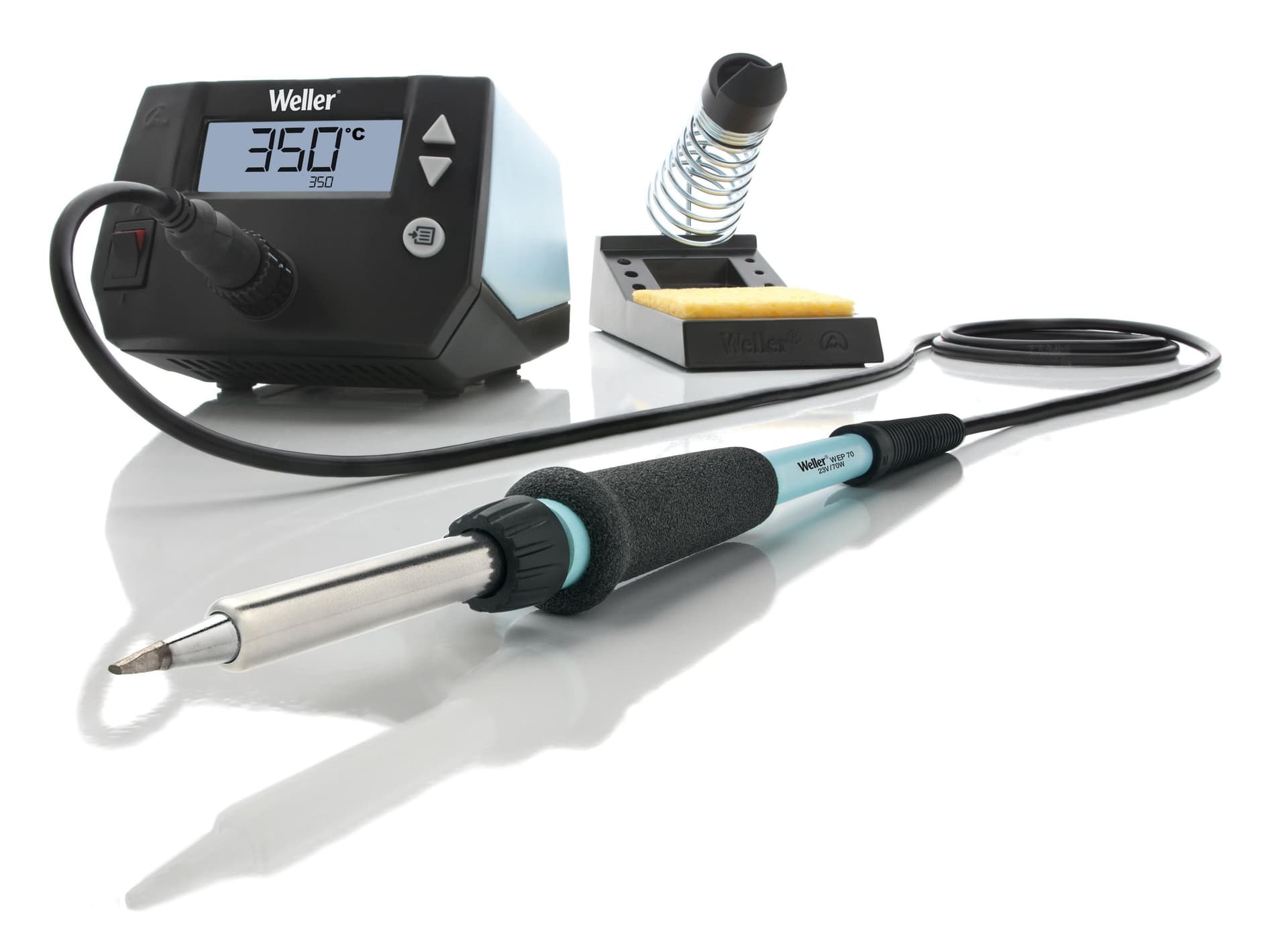
ESD-safe PID station that sleeps and cools down after 10 minutes, with a 3-year warranty.

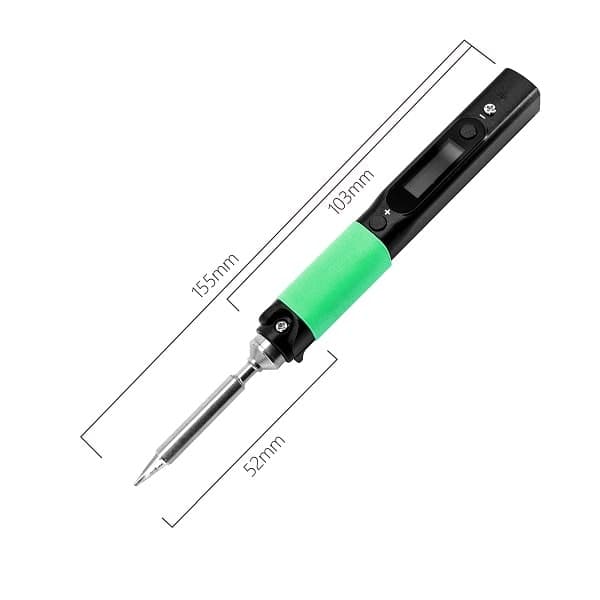
Portable USB-C iron with motion-sensing sleep, so it drops temperature whenever you set it down.
As an Amazon Associate I earn from qualifying purchases. Prices and availability are shown on Amazon.
The core idea
Frequently asked questions
Is dross the same thing as flux residue?
No, they're different byproducts. Flux residue is the spent, usually brown or amber film left after flux does its job cleaning the joint — generally harmless and often left in place. Dross is the solder alloy itself after its tin has oxidised out through repeated heating, leaving a dull, gray, grainy mass that no longer wets properly and should be wiped away.
Why does solder stick to the tip only on some joints, not others?
This usually points at the joint itself, not the tip. A joint that's dirty, oxidised, or has old flux residue on it won't accept solder well even from a perfectly clean tip, so the solder tends to stay on the tip instead of transferring. Clean the joint's surface — not just the tip — before soldering it.
Does flux help solder release from the tip?
Indirectly, yes. Flux's main job is cleaning oxides off the metal being joined so solder can wet it, and a joint that wets well pulls solder off the tip naturally during soldering. Adding a touch of extra flux to a stubborn joint, rather than more solder, is often the actual fix when solder keeps balling up on the tip.
Can I use anything other than a sponge or brass wool to remove dross?
A dedicated tip-tinner/cleaner (a small tin of solid flux-and-solder compound you wipe the hot tip into) works well specifically for dross and stubborn buildup that a simple wipe doesn't fully clear. Avoid abrasive tools like sandpaper or files on a plated tip, covered in our tip care guide.
Should I leave solder on the tip when I put the iron down?
Yes. Before parking the iron or switching it off, wipe it clean and then melt a fresh coat of solder over the working end. That sacrificial layer takes the oxidation instead of the tip plating. The thing to avoid is reusing that coat on the next joint: wipe it off when you pick the iron back up and start with fresh solder.