HOW-TO GUIDE
Soldering Iron Tip Care: Cleaning, Tinning, and Replacing
By the OhmSavvy Research Team ·
Tips run hot — handle cleaning tools carefully
Why a tip looks "dead" long before it actually is
At soldering temperatures, a bare metal tip oxidizes within seconds of exposure to air. That oxide layer is what turns the tip black or gray and stops solder from wetting it — the metal underneath is usually still fine. This is why a tip that refuses to melt solder one minute can work perfectly again a minute later, right after a proper clean and re-tin. Genuine end-of-life wear (the plating eroded through) looks different and is covered further down.
A tip's life cycle, stage by stage
Every tip cycles through the same stages repeatedly over its working life. Seeing them laid out end to end makes it obvious where the daily cleaning routine actually intervenes, and where genuine wear sits apart from it.
01
Fresh/tinned
Shiny, solder-wetted surface
02
In use
Transfers heat into joints
03
Oxidizing
Film builds up between joints
04
Cleaned & re-tinned
Back to stage one
05
Worn out
Plating gone — replace it
Plated tips vs. bare copper tips
Copper conducts heat and alloys readily with solder — which is exactly the problem for a soldering tip. Molten solder slowly dissolves bare copper, eroding it with use. Modern tips solve this with a thin iron (sometimes nickel) plating over a copper core: the plating resists the solder's dissolving action while the copper core still carries the heat efficiently. The plating is what you must never remove.
1Clean the tip before every joint that needs it
Wipe the hot tip on a damp sponge or through brass wool immediately before soldering, whenever you see a dull or dark film forming. This removes built-up oxide and old flux residue in a second or two, restoring the shiny, solder-wetted surface that actually transfers heat well.
2Choose a wet sponge or brass (tip tinner) wool
Both clean the tip; they trade off differently, and many soldering stations and kits — including the Hakko FX888D and the Q-MING 60W Kit — ship with one or both.
| Method | How it works | Trade-off |
|---|---|---|
| Damp cellulose sponge | Thermal shock knocks oxide/flux off on contact | Repeated quenching cools the tip each wipe, and can be rougher on a worn tip over time |
| Brass wool / tip tinner | Mechanical scouring strips oxide without wetting the tip | No thermal shock, generally gentler for daily use; doesn't need water refilled |
3Tin the tip before putting the iron away
Right before switching off or returning the iron to its stand for a longer break, melt a fresh, even layer of solder onto the clean tip and leave it coated rather than wiped bare. That solder layer is a barrier against oxygen while the tip cools and sits idle, and it means you start the next session with far less cleanup.
When cleaning stops being enough
A tip that won't take solder even right after a thorough clean and re-tin has gone past oxidation into genuine wear. The signs below mean replacement, not more cleaning:
| Sign | What's actually happening |
|---|---|
| Pitting or craters in the tip surface | Plating has worn through in spots; the exposed copper is dissolving into the solder |
| Tip won't tin even after a thorough clean | Plating is compromised across the working surface, not just oxidized |
| Visible deformation or a bent/mushroomed point | Physical damage, usually from excess pressure or dropping the iron |
| Noticeably slower heat-up or poor heat transfer despite cleaning | Internal plating breakdown reducing thermal contact, separate from surface oxide |
Replacement tips are inexpensive relative to the iron itself, and a worn tip genuinely limits joint quality no matter how good your technique is — it's one of the few consumable parts worth replacing proactively rather than running to total failure.
How long should a tip actually last?
What never to do to a tip
- Don't file, sand, or scrape a plated tip — that removes the protective plating permanently.
- Don't run the iron at the top of its temperature range for routine work — excess heat accelerates oxidation and plating wear for no benefit on most joints.
- Don't leave the iron on, unused, at temperature for long stretches — oxidation continues the whole time it's hot.
- Don't force a cold, dirty tip to melt solder by pressing harder — clean and re-tin it instead.
Irons with easy tip maintenance
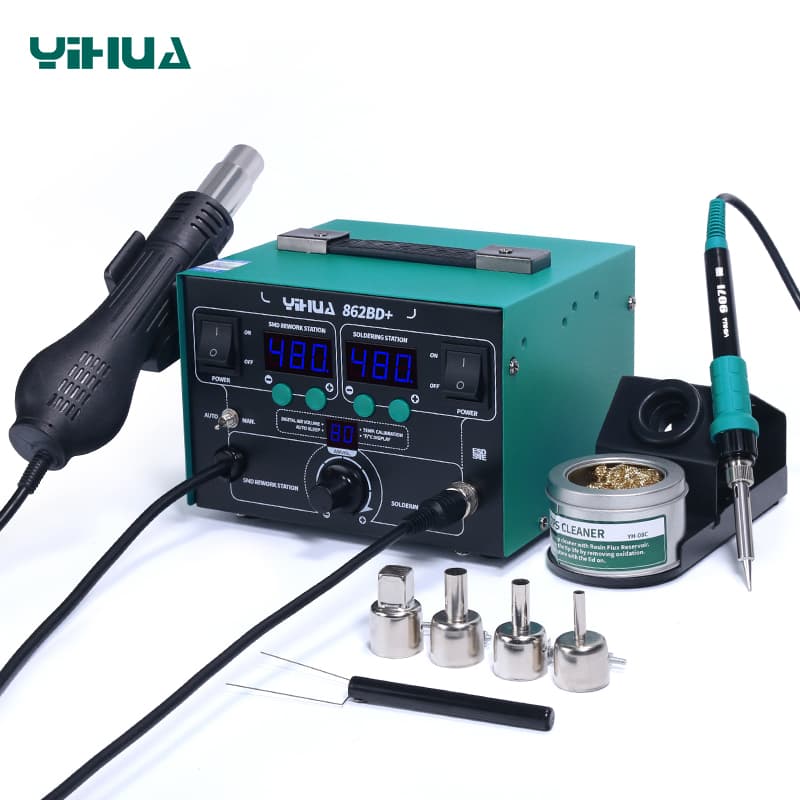
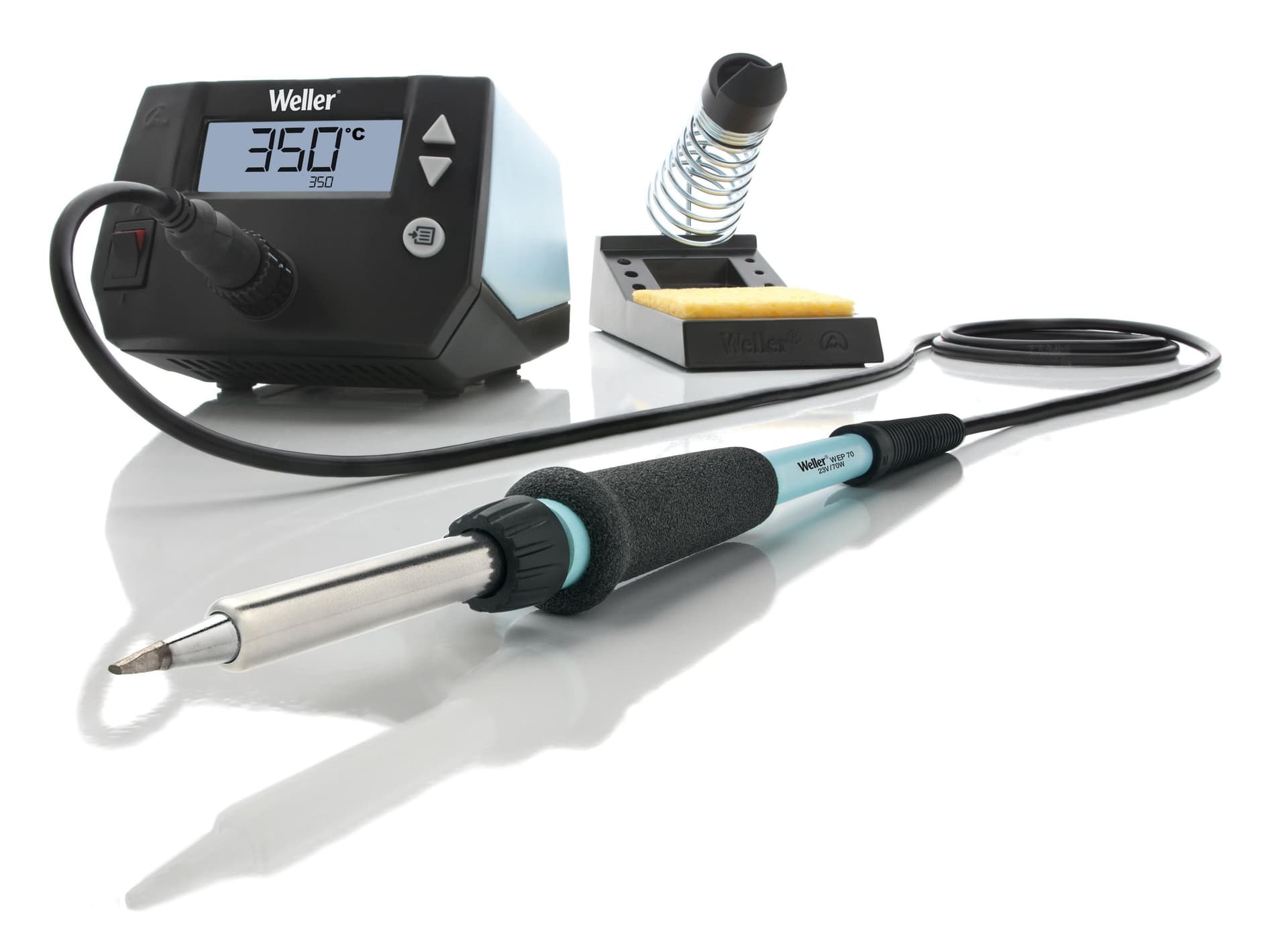
Stations with a dedicated stand and sponge or brass wool built in make this routine effortless. The Weller WE1010NA ships with a proper stand and widely available genuine replacement tips, and the Hakko FX-888DX takes the same genuine T18 tips as the FX888D. A portable iron like the Pinecil V2 needs a separate stand and cleaning tool, since it's designed to travel light rather than bundle a full station.
Stations with proper tip-care accessories

Keeps the FX-8801 handpiece and T18 tips of the FX-888D, so the genuine tip range carries over.
ESD-safe station built for sustained daily bench use.
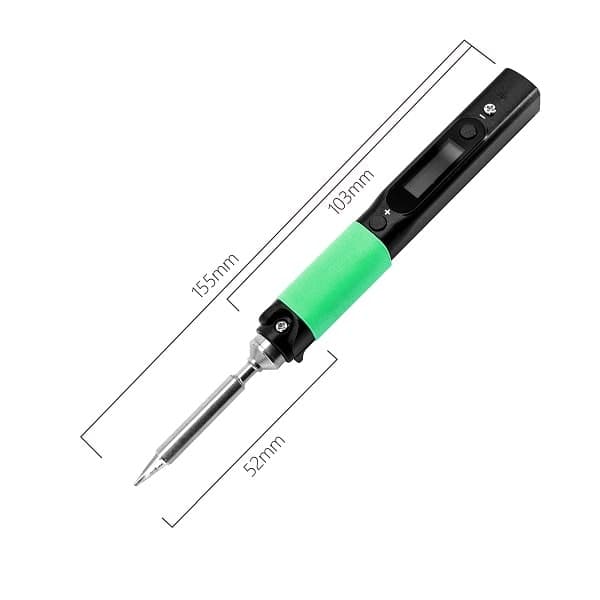
Pocket-sized — pair with a separate stand and cleaner.
As an Amazon Associate I earn from qualifying purchases. Prices and availability are shown on Amazon.
Frequently asked questions
Can I file or sand a soldering iron tip to clean it?
Not on a modern plated tip. Nearly all tips sold today have an iron-plated working surface a fraction of a millimeter thick, designed to resist the solder's dissolving effect on copper. Filing or sanding cuts straight through that plating to the base metal, which then wears away quickly. Filing is only appropriate on old-style solid, unplated copper tips, which are rare on current irons.
How often should I clean the tip while soldering?
Wipe it on a damp sponge or brass wool before most joints where you notice a dull, oxidized film building up — not necessarily every single joint on light, clean work, but often enough that the tip stays shiny. A tip that sits idle at temperature for minutes between joints oxidizes faster, so clean and re-tin it before picking up the iron again.
Why does my tip turn black soon after cleaning it?
Oxidation happens continuously at soldering temperatures — the tip is reacting with oxygen in the air, and the rate increases with temperature and with time spent uncovered in air rather than coated in solder. Running the iron hotter than the job needs, or leaving it on when not in use, both speed this up. A thin solder coating left on the tip (tinning) slows oxidation between joints.
Does tip shape affect how it wears?
Yes — a fine conical tip concentrates heat into a tiny area and tends to oxidize and wear at that point faster than a broader chisel tip used on the same joints, simply because less metal surface is doing the work. Match tip shape to the job (fine point for dense SMD work, chisel for larger through-hole joints) rather than using the finest tip for everything.
Can tip tinner paste fix a tip that won't take solder?
Often, yes, if the plating is still intact. Tinner paste combines solder powder with an aggressive flux, so pressing a hot tip into it for a few seconds strips stubborn oxide and leaves a fresh solder coat. Use it as an occasional rescue, not a daily habit, because the stronger chemistry wears plating faster. If the tip still refuses to wet afterward, the plating has failed and it needs replacing.